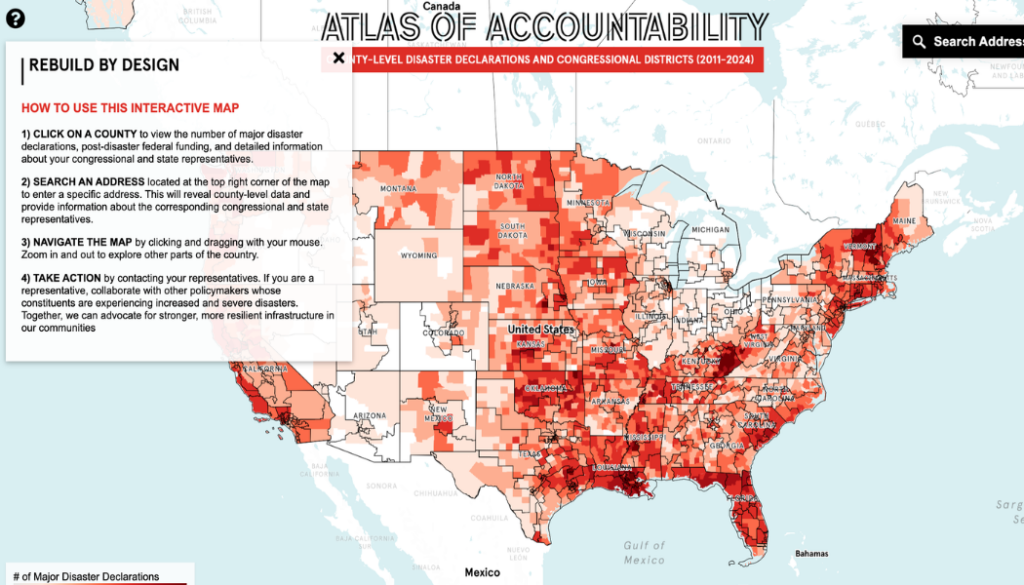
The Atlas of Accountability maps federal disaster declarations and post-disaster assistance obligations for every county in the U.S., with overlays by congressional district. It reveals where billions in taxpayer dollars have been spent and raises a critical question: How can we invest in long-term resilience, instead of paying for recovery again and again?
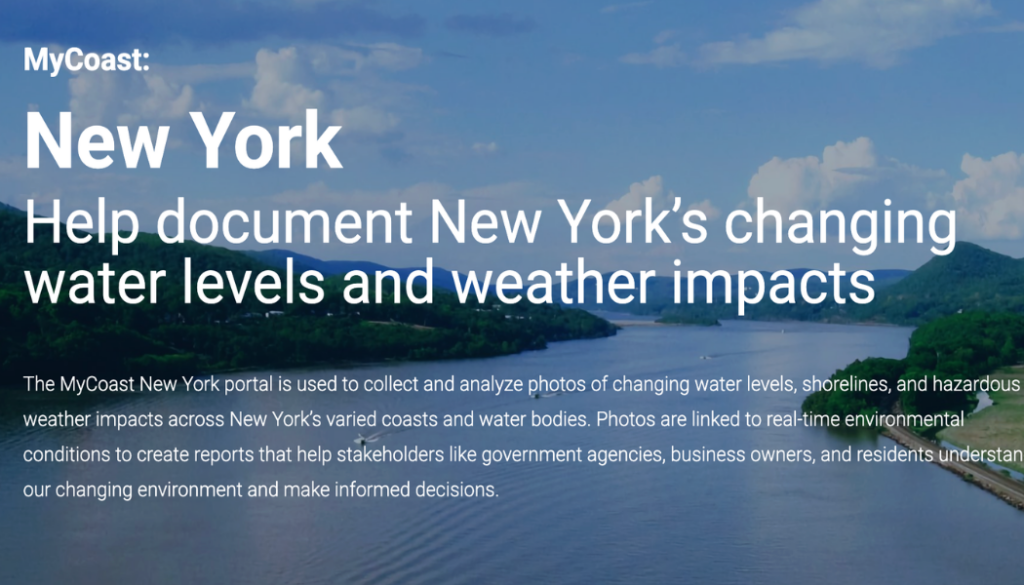
The MyCoast New York portal is used to collect and analyze photos of changing water levels, shorelines, and hazardous weather impacts across New York’s varied coasts and water bodies. Photos are linked to real-time environmental conditions to create reports that help stakeholders like government agencies, business owners, and residents understand our changing environment and make informed decisions.
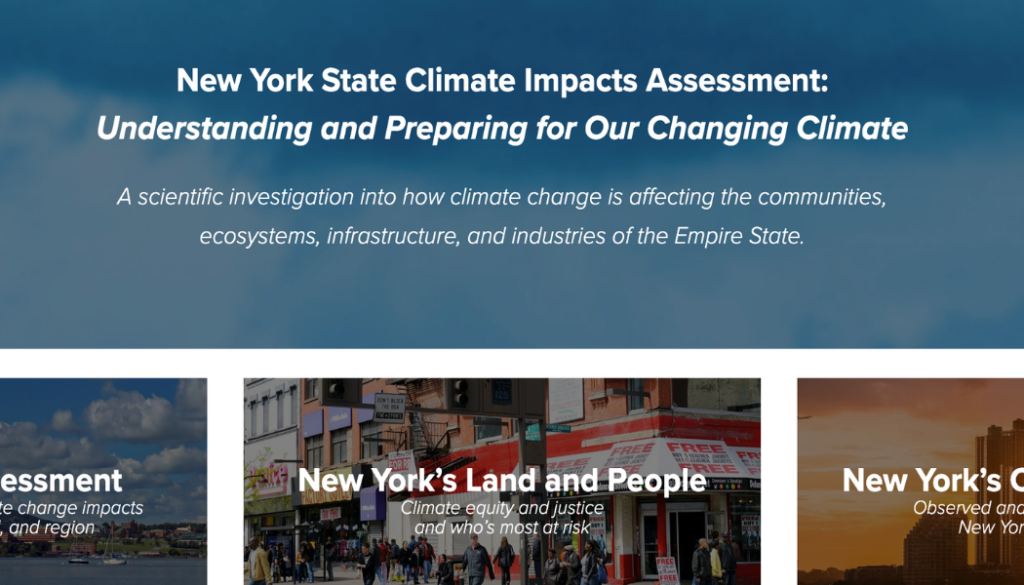
The New York State Climate Impacts Assessment is a peer-reviewed technical report that details how climate change is affecting New York State’s communities, ecosystems, and economy. It describes how climate change impacts are likely to change in the decades ahead and shares information on adaptation and resilience.
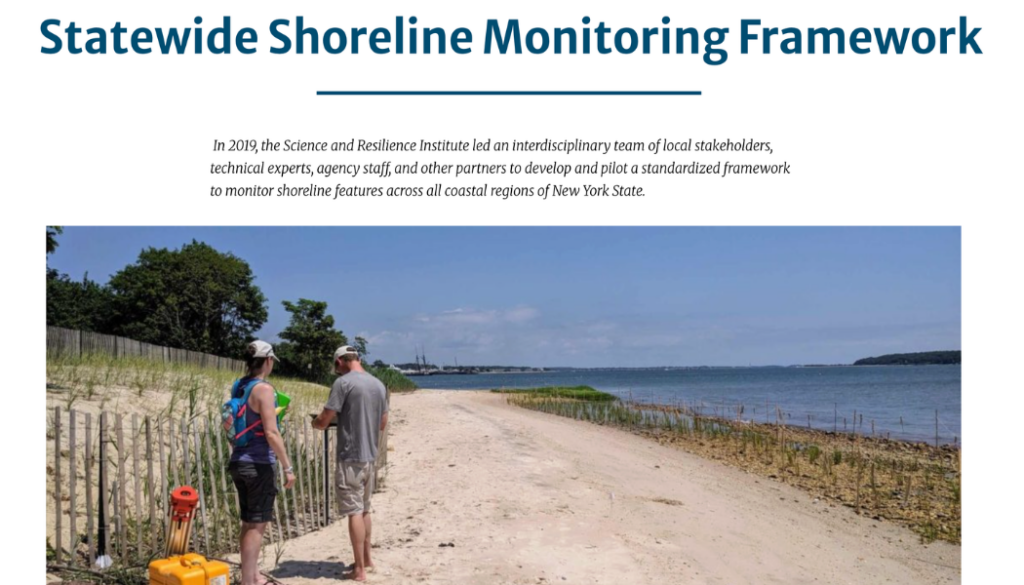
The Department of State (DOS) launched a multiphase effort known as the “Statewide Shoreline Monitoring Framework” initiative to provide clear and consistent information to those planning projects to improve their shoreline resiliency. The main objective of this initiative is to help decision makers determine which benefits are realized at shoreline sites and to relate that to the treatment option that was applied at that site.
The MyCoast New York portal is used to collect and analyze photos of changing water levels, shorelines, and hazardous weather impacts across New York’s varied coasts and water bodies. Photos are linked to real-time environmental conditions to create reports that help stakeholders like government agencies, business owners, and residents understand our changing environment and make informed decisions.
MitigateNY is New York State’s central hub for hazard mitigation planning – home to the State Hazard Mitigation Plan (SHMP) and local planning efforts. Designed for local governments, planners, and community partners, the platform provides data, tools, and guidance to meet federal requirements, secure funding, and drive effective risk reduction.
Welcome to the Funder Games! Step into the interactive world of the fictional Town of Calamity Falls, where you’ll tackle real-world funding challenges alongside state and federal agency representatives. This game is designed to help you explore opportunities to fund your project.
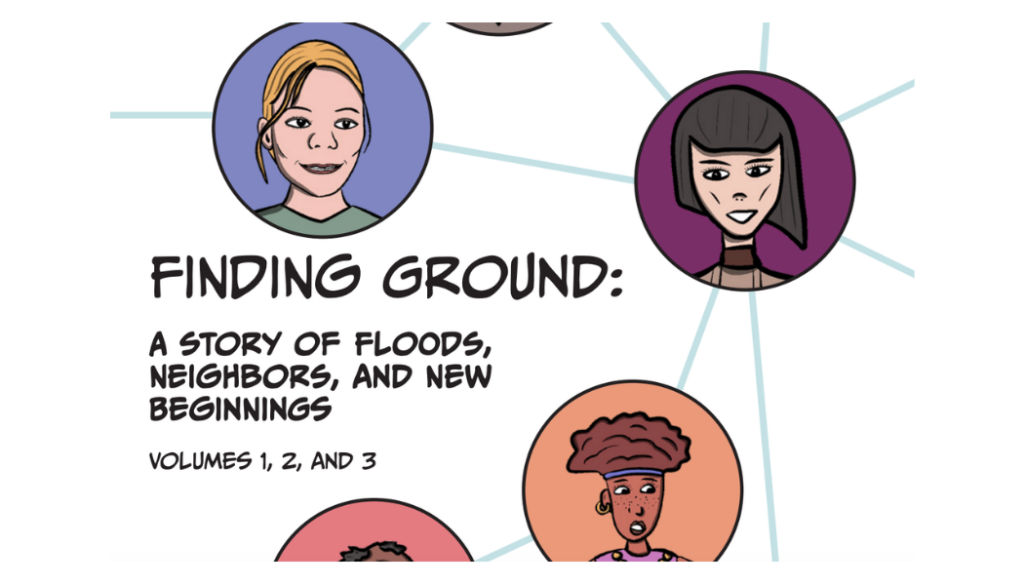
Finding Ground was born from a realization that blending storytelling and visual art, we can make these difficult conversations about climate relocation more approachable. Each chapter draws from real experiences and concerns voiced by residents, while also highlighting best practices that communities can advocate for, such as relocation services and support within buyout programs.
Designed with New York City religious leaders in mind, this toolkit is a flexible resource that can be used by faith leaders of all traditions and communities to discuss risks, access resources, establish calls to actions, etc.
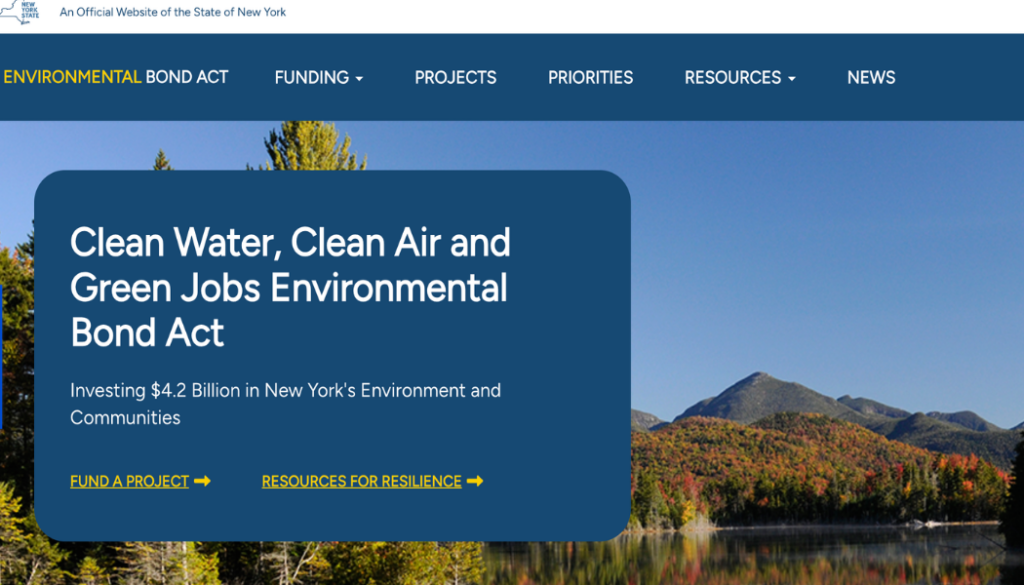
The Environmental Bond Act homepage includes open grant opportunities, eligibility guidelines for public comment, relevant press releases, and a map of projects funded by Bond Act programs.
The Bond Act Funding Finder is designed to simplify the process of finding grant opportunities. The tool enables grant seekers to filter grant opportunities based on criteria that meets their specific needs.
This reference tool is designed for New York State municipalities and local governments looking to fund sustainable and environmentally friendly capital projects.
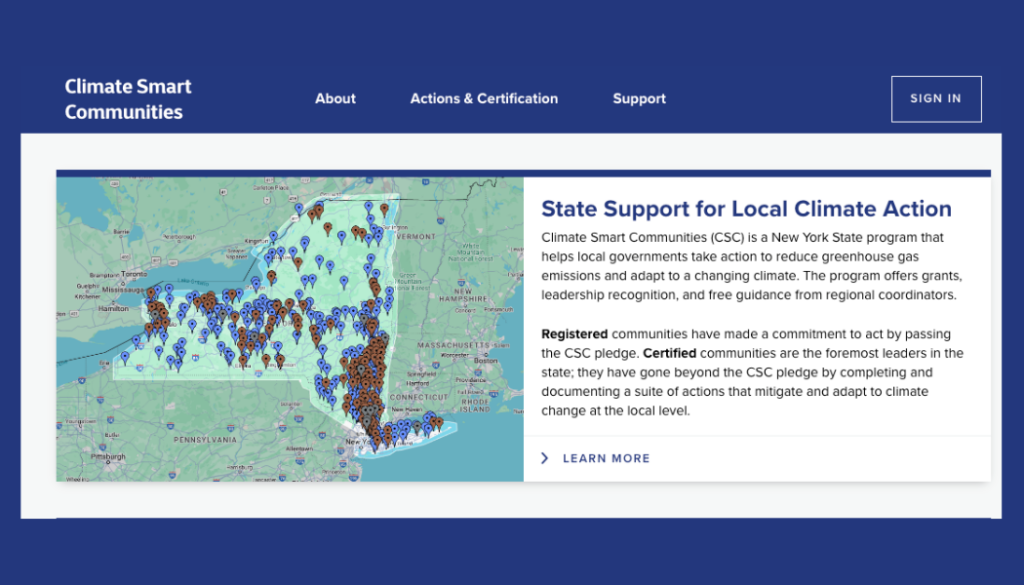
Climate Smart Communities (CSC) is a New York State program that helps local governments take action to reduce greenhouse gas emissions and adapt to a changing climate. The program offers grants, leadership recognition, and free guidance from regional coordinators.
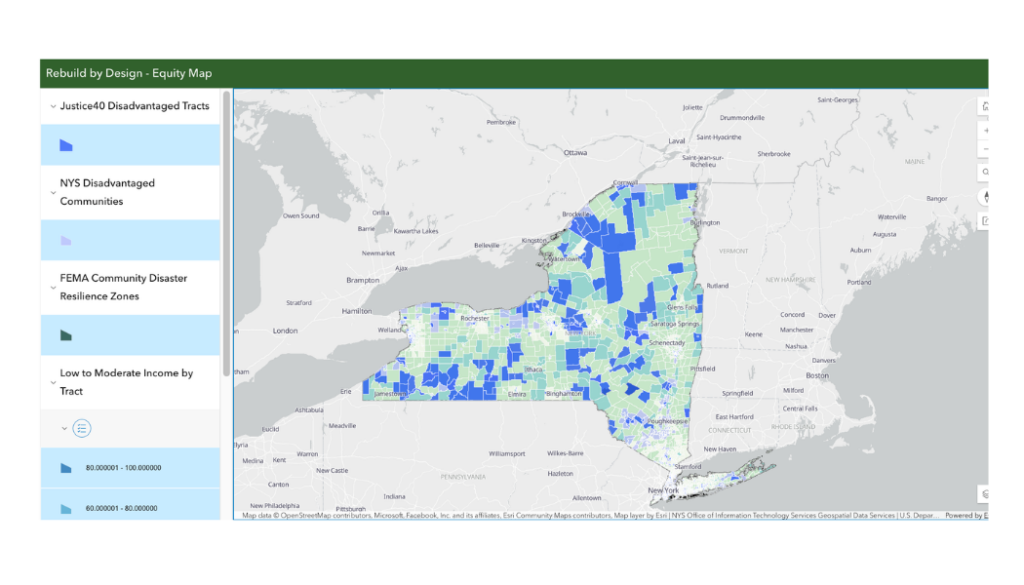
NYS Equity Map
This interactive map provides key insights into equity and resilience across New York State. It identifies areas that require enhanced support, such as communities vulnerable during disasters, and regions with significant populations living in low to moderate-income conditions. It can help you identify which criteria the area you are working in qualifies for.
The Climate Smart Communities Initiative (CSCI) supports local leaders and adaptation practitioners in advancing climate adaptation and resilience plans and projects in communities across the United States through connection training and funding.