Severe weather hazards – like heavy rain, storms, and extreme heat – are impacting New York City with more frequency and intensity. Faith leaders are often the first responders in emergencies and play a critical role in helping communities recover and rebuild. The anchor institutions that keep communities together are vital for the planning of the future; however, they often do not have the resources or capacity to support this work.
Designed with New York City religious leaders in mind, this toolkit is a flexible resource that can be used by faith leaders of all traditions and communities to:
Learn about severe weather impacts and identify future risks in their communities
Easily access resources from governments and nonprofits to prepare for extreme weather events
Identify language and information to use when calling for action from government or their community
Equip each other with the knowledge and tools to plan ahead
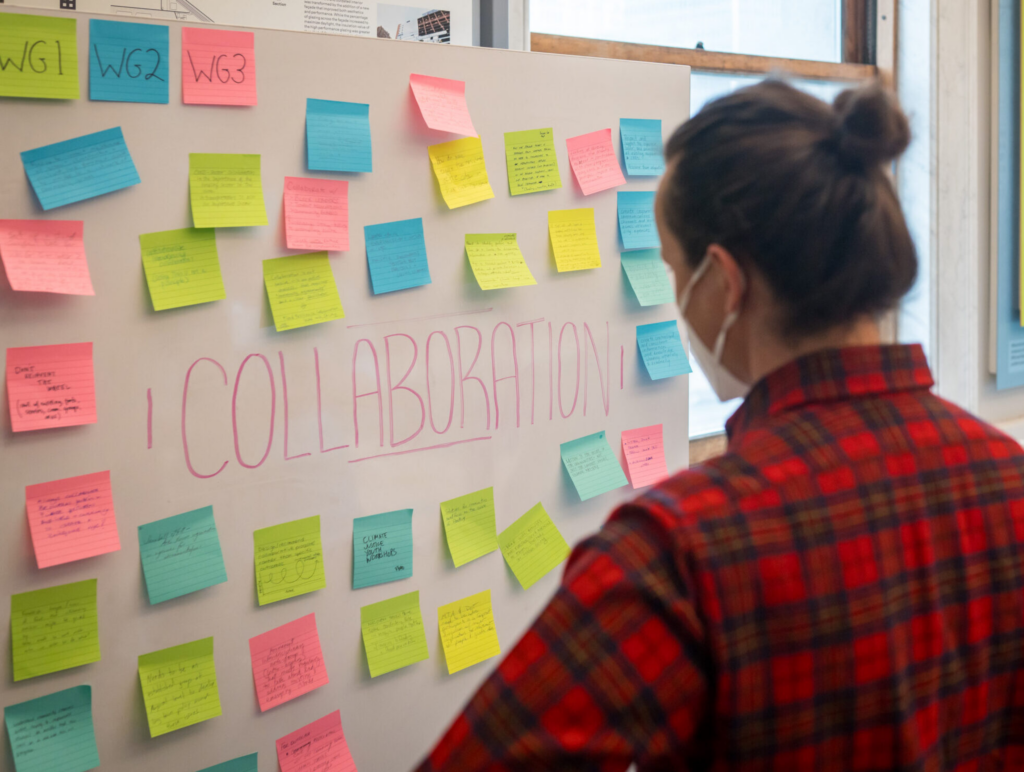
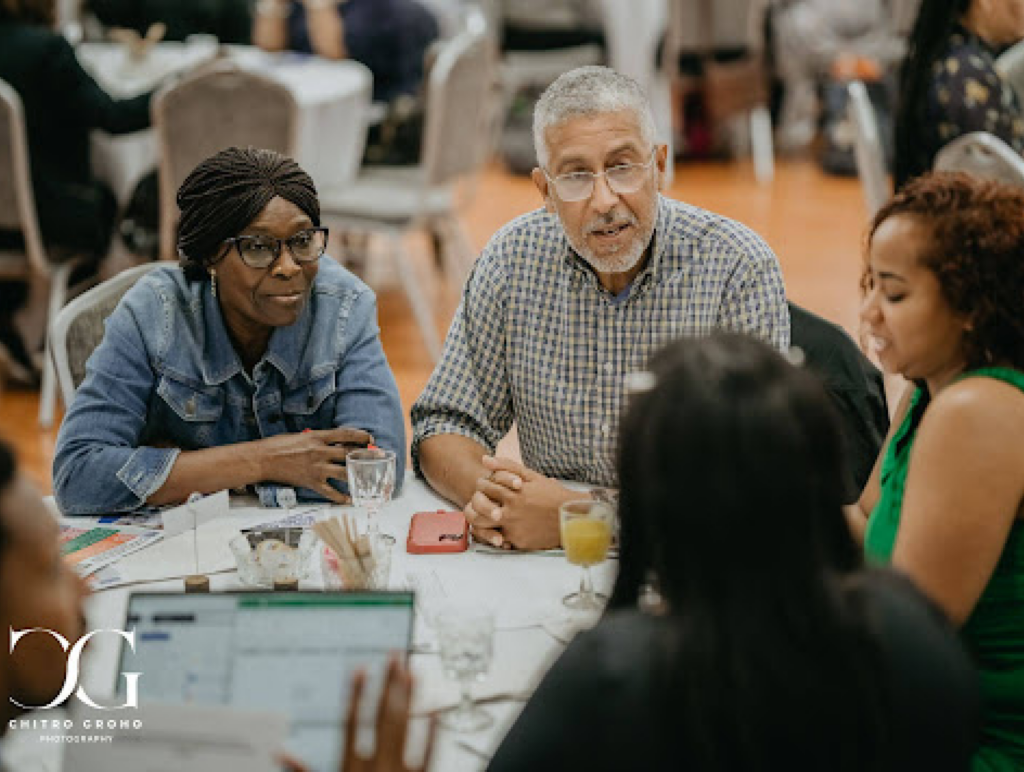
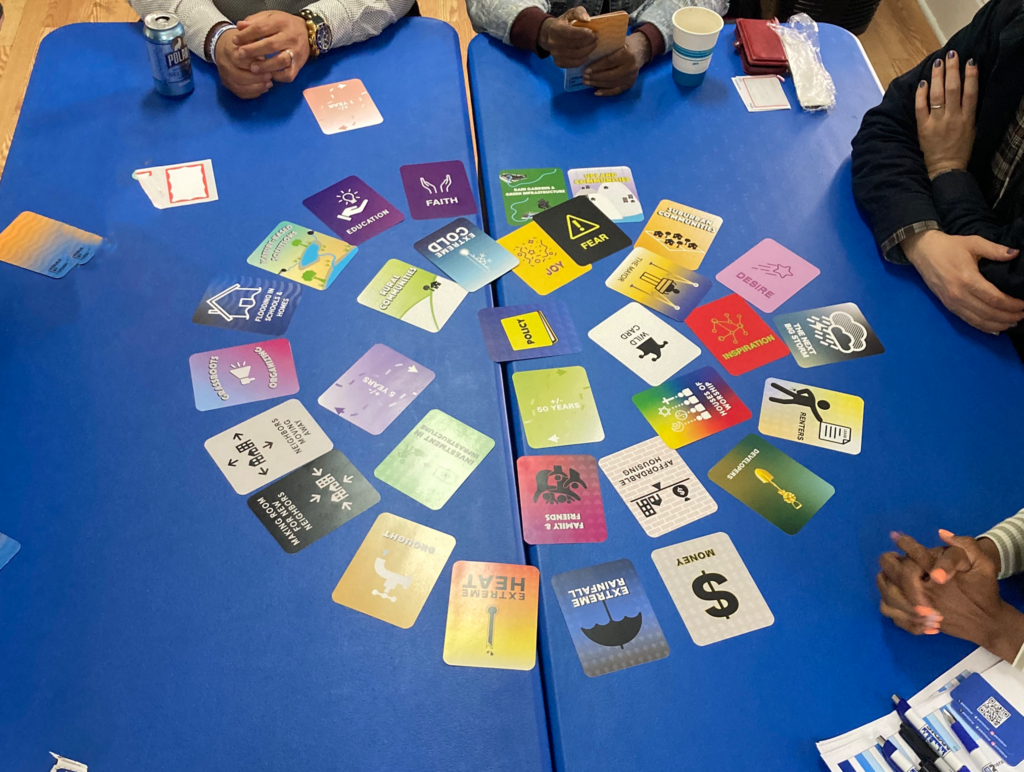
It is co-created by the NYC Faith Sector Climate Adaptation Working Group, a collaboration of faith leaders of diverse traditions, representing all five boroughs in New York City. Developed through Working Group site visits, shared meals, and conversations in every borough, the toolkit offers practical resources to strengthen preparedness, communication, and advocacy within the faith sector.
HOW ARE NYC communities IMPACTED BY CLIMATE CHANGE?
Climate change is already affecting communities across New York City in serious ways. Rising temperatures make heat waves more dangerous, especially for older adults, young children, and people without access to air conditioning. More frequent and intense storms can lead to flooding, damaging homes, subways, and streets—especially in low-lying neighborhoods. Sea level rise also puts coastal areas at higher risk, threatening homes and important infrastructure. These impacts don’t affect everyone equally—communities of color and low-income neighborhoods often face the greatest risks and have fewer resources to recover due to a long history of disinvestment through practices like redlining. As climate change continues, these challenges are expected to grow. But by understanding the problem and planning ahead, New Yorkers can work together to build a safer, healthier city for all.
What does it mean to adapt to Climate change IN YOUR COMMUNITY?
To adapt means to take steps to protect ourselves and our communities from these impacts. It can be as simple as planting trees for shade, preparing emergency plans, or helping vulnerable people during heatwaves or storms. It can also be large community-wide infrastructure investments that help our communities withstand extreme weather events, like flood walls, restored shorelines, and water-absorbent parks. Adaptation does not stop climate change, but it helps us live more safely and wisely with its effects.
Faith communities can play a powerful role in this work—by caring for creation, planning ahead, supporting those in need, and helping build hope and resilience in times of change.
COMMUNICATING CLIMATE RISKS TO YOUR CONGREGATION
The language and approach we use for climate communication is critical to building bridges and inspiring action. By listening first, appealing to shared values, emphasizing real examples of local climate impacts, and offering practical solutions, faith leaders can help people feel informed and hopeful about actions and collaborations to mitigate risk and build resilience to climate hazards. The following resources from national experts are useful guides to successfully navigating these conversations:
To guide faith leaders in talking to their communities, the NYC Faith Sector Climate Adaptation Working Group compiled best Practices and Practices to Avoid for climate communication. Learn more and download the guide here>>
Collaboration shows a united moral commitment, pools resources, amplifies voices, and helps communities feel less isolated and more empowered to respond to the very real climate impacts happening now. Explore examples of successful collaborations across different faiths and between faith communities and nonprofits here>>
Being prepared for climate-induced disasters is both our civic duty and moral responsibility. Faith communities and their partners can make a big difference by planning ahead, practicing, and being ready to help wherever we live, work, and worship. Learn more here>>
Faith communities play a vital role in guiding moral action and collective resilience in the face of the climate crisis. The following resources highlight how diverse religious traditions and faith-based organizations are bringing spiritual depth, ethical commitment, and practical wisdom to the work of environmental care and climate justice. Explore organizations developing multi-faith resources and learn more here>>
Convened by New York Disaster & Interfaith Services (NYDIS) and Rebuild by Design, the NYC Faith Sector Climate Adaptation Working Group brings together leaders of diverse traditions from across all boroughs to learn from one another about the impacts of extreme weather events and co-create resources for sharing information and tools with other leaders across the city.