EXTREME HEAT DEATHS ARE A PUBLIC HEALTH CRISIS. IT DOES NOT HAVE TO BE THIS WAY.
Heat is the deadliest climate-related hazard with disproportionate impacts on low-income, elderly, and historically marginalized communities. Globally, heat-related mortality has increased by 63% since the 1990s, to a yearly average of 546,000 deaths (2012–2021), approximatingone heat-related death per minute. As climate change intensifies, summer temperatures and the frequency of extreme heat events continue to rise, exacerbating health risks for vulnerable populations – particularly in neighborhoods with inadequate tree canopy, limited access to open space, and poor housing conditions.
PROGRAM GOALS
Reframe heat deaths as preventable. Shift how policymakers, agencies, and the public understand heat deaths, from unavoidable or individual failings to preventable outcomes.
Build a shared data and accountability foundation. Establish standardized and measurable targets for tracking heat– related deaths.
Produce a replicable Heat Zero process and principles. Distill pilot learnings into a replicable process and set of core recommendations that other cities and communities can adopt or adapt to their own contexts.
Image above: Chris Yarzab, Wikicommons, Right: T.R.U.S.T LA Workshop, March 2026
APPROACH
Rebuild by Design is working with partner organizations in Tempe and Mesa, Arizona; Los Angeles, California; Newark, New Jersey; Detroit, Michigan; and New York, New York on a coordinated and measurable effort to eliminate heat-related deaths, modeled after the successful Vision Zerocampaign for traffic safety. Just as Vision Zeroreframed traffic fatalities as a systems failure – not individual missteps – Heat Zero treats heat deaths as both foreseeable and preventable through design, data, and community infrastructure.
The approach centers the people who are most likely to die from a heat event – low income, unhoused, elderly, chronically ill, migrant, youth, and pregnant women – and develops strategies and implementation plans to keep people alive.The work is co–created through a collaborative research and design process that will lead to the development of a replicable and adaptable framework for community organizations and governments to utilize. By researching and creating strategies, the partners are able to share learnings that inform each other’s work and integrate into a broader framework of recommendations.
This initiative convenes experts across public health, policy, physical and social infrastructure, and planning to support the development of the framework. The learnings from each community, coupled with the insights from the advisory group, will inform the development of a replicable process for governments and community organizations to develop a Heat Zero framework and principles that can be applied or adapted by either governments or community organizations.
Image Right: T.R.U.S.T LA Workshop, March 2026
MEET OUR PARTNERS
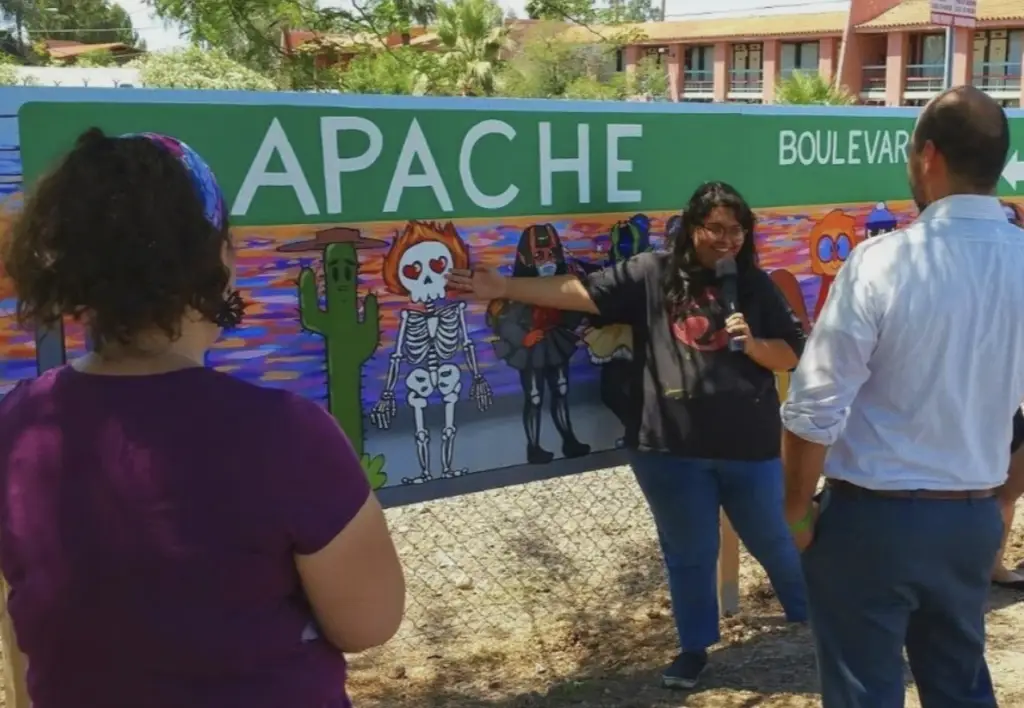
RAIL CDC: MESA + TEMPE AZ
RAIL CDC is a place-based community development corporation that offers corridor development, small business technical assistance, and neighborhood organizing in LMI census tracts around public transit. Learn more about RAIL CDC >>
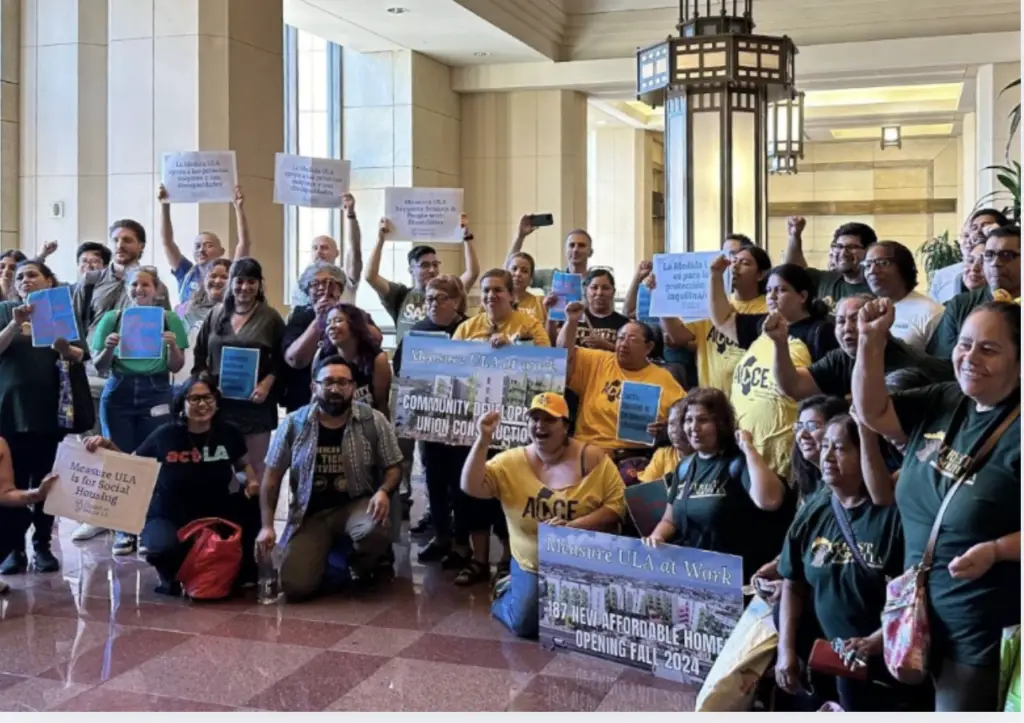
T.R.U.S.T. SOUTH LA: CA
T.R.U.S.T. South LA works with low-income community residents to transform the built environment and social conditions in South Los Angeles by: serving as a steward for community-controlled land; being a catalyst for values-driven, community-serving development; building awareness and community leadership in issues of housing, transportation and recreation; and creating programs and initiatives that encourage community building and economic opportunity. Learn more about T.R.U.S.T South LA >>
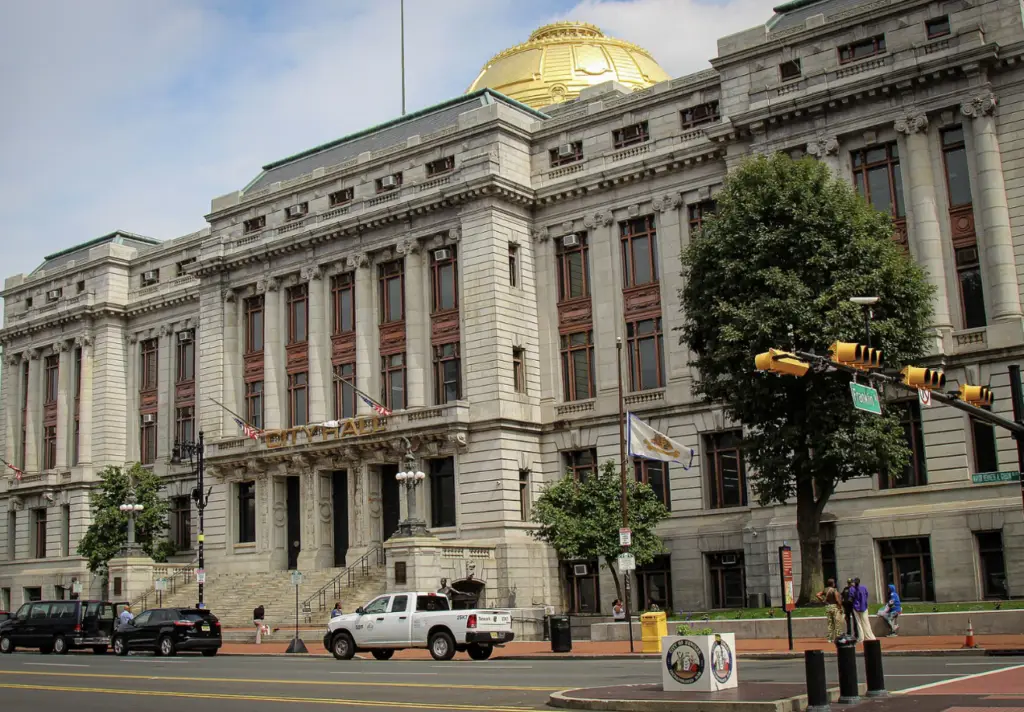
CITY OF NEWARK, NJ
New Jersey is the third-fastest warming state in the country since 1970 (Climate Central, 2024) and has experienced a 3.5°F rise since the beginning of the 20th century. Newark is one of the most intense urban heat islands in the US, with roughly 97% of its population experiencing temperatures at least 8°F higher than surrounding areas. Learn more about Newark’s sustainability plan >>
EASTSIDE COMMUNITY NETWORK: DETROIT
Over the past decade, Eastside Community Network has built a reputation as a leader in the urban climate resilience space — focusing our efforts on policy advocacy, infrastructure development, and community education that promotes climate resiliency and equitable climate change strategies in Detroit. Learn more about ECN >>
WE ACT, NYC
WE ACT for Environmental Justice’s mission is to build healthy communities by ensuring that people of color and/or low income residents participate meaningfully in the creation of sound and fair environmental health and protection policies and practices. Learn more about We Act >>
MEET OUR ADVISORS
ALEX AZAN
Doctor and Assistant Professor, Department of Population Health and Medicine at NYU Grossman School of Medicine
Anna Bershteyn
Associate Professor, Department of Population Health at NYU Grossman School of Medicine
Eric Klinenberg
Director, Institute of Public Knowledge at New York University
Jane Gilbert
Chief Heat Officer, Climate Resilience Center
Jeff Shrader
Associate Professor, Professor of International and Public Affairs at Columbia University
Kizzy Charles-Guzman
Chief Executive Officer, Center for Environmental Health
Llenio Myrivilli
Global Chief Heat Officer, United Nations
Victoria Salinas
Climate Leader in Residence, Duke University
WANT TO ELIMINATE HEAT DEATHS? WORK WITH US.
If you would like to work with Rebuild by Design to eliminate heat deaths in your community, write to info@rebuildbydesign.org