
Background: Why Rainproof Matters
On 1 September 2021, the remnants of Hurricane Ida dropped more than three inches of rain on New York City in a single hour, a record at the time. NYC tragically lost 13 lives. Hurricane Ida left a path of destruction and a collective head–scratching, wondering what could have been done to prepare, what can be done to help those most affected, and what should be done to prevent a similar event from happening again.
Crucially, Ida revealed that every neighborhood in New York City could flood. Our City’s new reality: New York City is increasingly flooding from rain. Climate change is here, and storms that feel extreme now will only become more frequent and more intense, with devastating consequences.
Years later, we understand and have seen that storms that had once felt extreme were no longer rare exceptions. From Hurricanes Henri and Ophelia, the devastating October 30, 2025, and May 20, 2026, rainstorms, to the many unnamed storms in between, Ida was just our preview.
In response to the 13 deaths of New Yorkers caused by flooding from Hurricane Ida, Rebuild by Design launched Rainproof NYC, a movement merging research, design, policy, and collective action to transform NYC into a sponge so that we will not lose any more New Yorkers to flooding from heavy rain events.
We know the solutions exist. But infrastructure alone cannot make New York City safer. Communities also need the knowledge, trusted relationships, and leadership to prepare for storms, shape local solutions, and turn our city into a sponge.
To truly rainproof our city, we need systemic change, and that requires a complete picture of how New Yorkers are being impacted.
Understanding Rainproof NYC starts with the concepts and policies that shape how our city manages stormwater.
RAINPROOF Stormwater Glossary
GREEN INFRASTRUCTURE (GI) – The range of measures that use plant or soil systems, permeable pavement or other permeable surfaces or substrates, stormwater harvest and reuse, or landscaping to store, infiltrate, or evapotranspirate stormwater and reduce flows to sewer systems or to surface waters. (Water Infrastructure Improvement Act). Green infrastructure systems can reduce stormwater flooding.
NATURAL INFRASTRUCTURE – Uses existing, restored, or enhanced ecosystems to generate infrastructure outcomes either on its own or in combination with built infrastructure. (International Institute for Sustainable Development)
NATURE-BASED SOLUTIONS – Sustainable planning, design, environmental management and engineering practices that weave natural features or processes into the built environment to promote adaptation and resilience. (FEMA)
SMART INFRASTRUCTURE – Uses real time data to inform and deploy systems using sensors, cameras, and other monitoring devices.
STORM SURGE – The rise in seawater level caused solely by a storm. (NOAA)
RETENTION SYSTEM – An area that stores water on a more permanent
basis. such as ponds. reservoirs, and streams.
10 Things to know about rain in nyc
Research & Resources: Foundations for Rainproofing
As part of our Rainproof NYC work, we develop research, interactive maps, global case studies, climate data, webinar recordings, and downloadable toolkits and resources. Our compiled research and resources serve as the foundation for a collaborative and evidence-based movement for a citywide effort to prepare for and adapt to more frequent and severe heavy rainfall.
We aim to equip communities, policymakers, and practitioners with the knowledge, data, and examples needed to reduce flood risk, protect vulnerable neighborhoods, and inspire action across sectors. By combining rigorous research with visual tools, storytelling, and practical guides, Rainproof NYC turns information into a shared roadmap for making every part of the city better able to live with water.
What does it mean to rainproof New york City?
Our RESEARCH
Toward a Rainproof NYC
Rebuild by Design and One Architecture take a hard look of the impediments to becoming rainproof in New York City.
Ideas for Ida
After Hurricane Ida, Rebuild by Design invited 20 experts to write about the immediate steps New York City could take towards becoming rainproof.
Rainproofing NYC: Recommendations from the Working Groups
The “Rainproofing New York City: Recommendations from the Working Groups,” report documents the recommendations that came out of the working group process, and will serve as a resource for other cities who are working to address the challenge of increased heavy rainfall
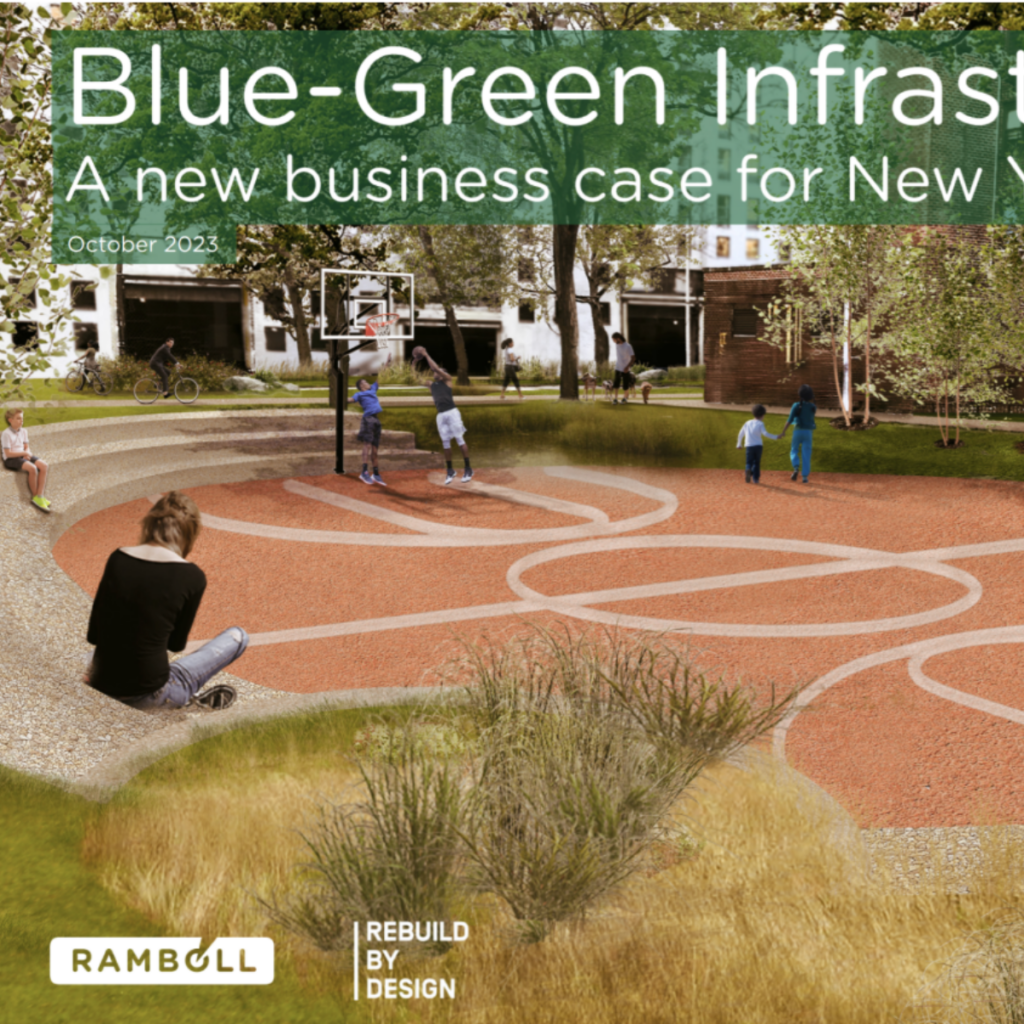
Blue-Green Infrastructure in NYC: A Benefit-Cost Analysis
Is Green-Blue infrastructure feasible in New York City? We think so! We therefore asked Ramboll to develop a business case. The study shows that for every $1 invested in Blue-Green Infrastructure in New York City, there is a $2 return on investment.

Parks as Infrastructure
New York City’s Parks are not just recreational spaces—they are vital infrastructure that can protect communities, reduce urban heat, and manage stormwater, especially if they are designed well and properly maintained. Our analysis of New York City’s 2,385 parks reveals a concerning trend: 38% are currently in flood zones and that number is projected to surge to nearly 70% by 2100.

Selling Flood Risk
Rebuild by Design reveals that homes sold in New York City in 2023 – worth $3.6 billion – face a high risk of flooding before their 30-year mortgages are paid off. This research highlights the vulnerability of the city’s housing market to the growing threats of flooding from storm surge and stormwater.
SHAREABLE RESOURCES
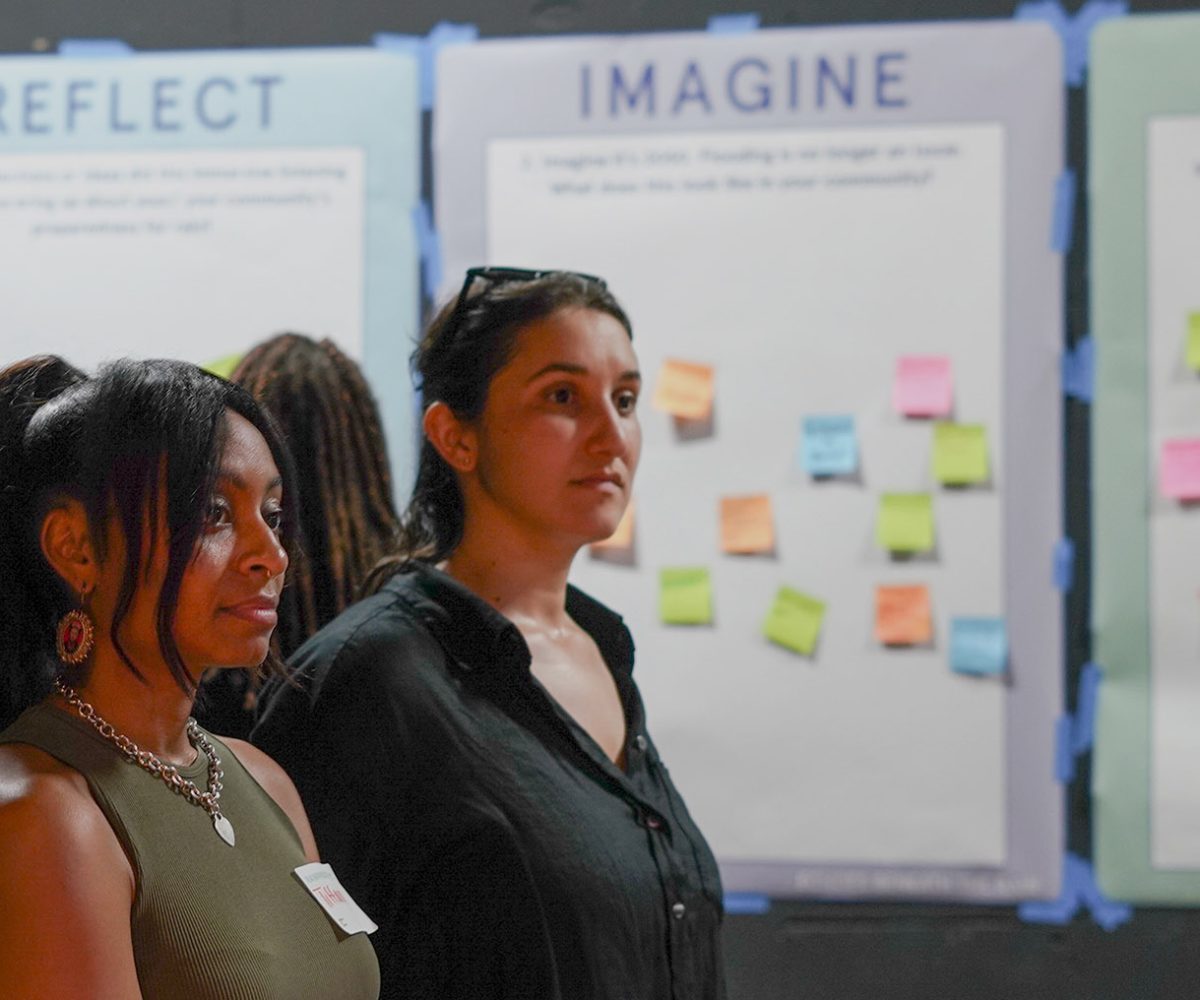
On October 30, 2025, a flash flood in NYC claimed two lives and damaged homes, businesses, and critical infrastructure across several neighborhoods. The storm reminded us that extreme rainfall is becoming more frequent and that everyone has a part to play in keeping our city safe.
We compiled a Rainproof actions guide for how we can each play a role in rainproofing our city. This action guide has been compiled by resources with the Rainproof NYC “Everyone Has A Role to Play” Working Group.
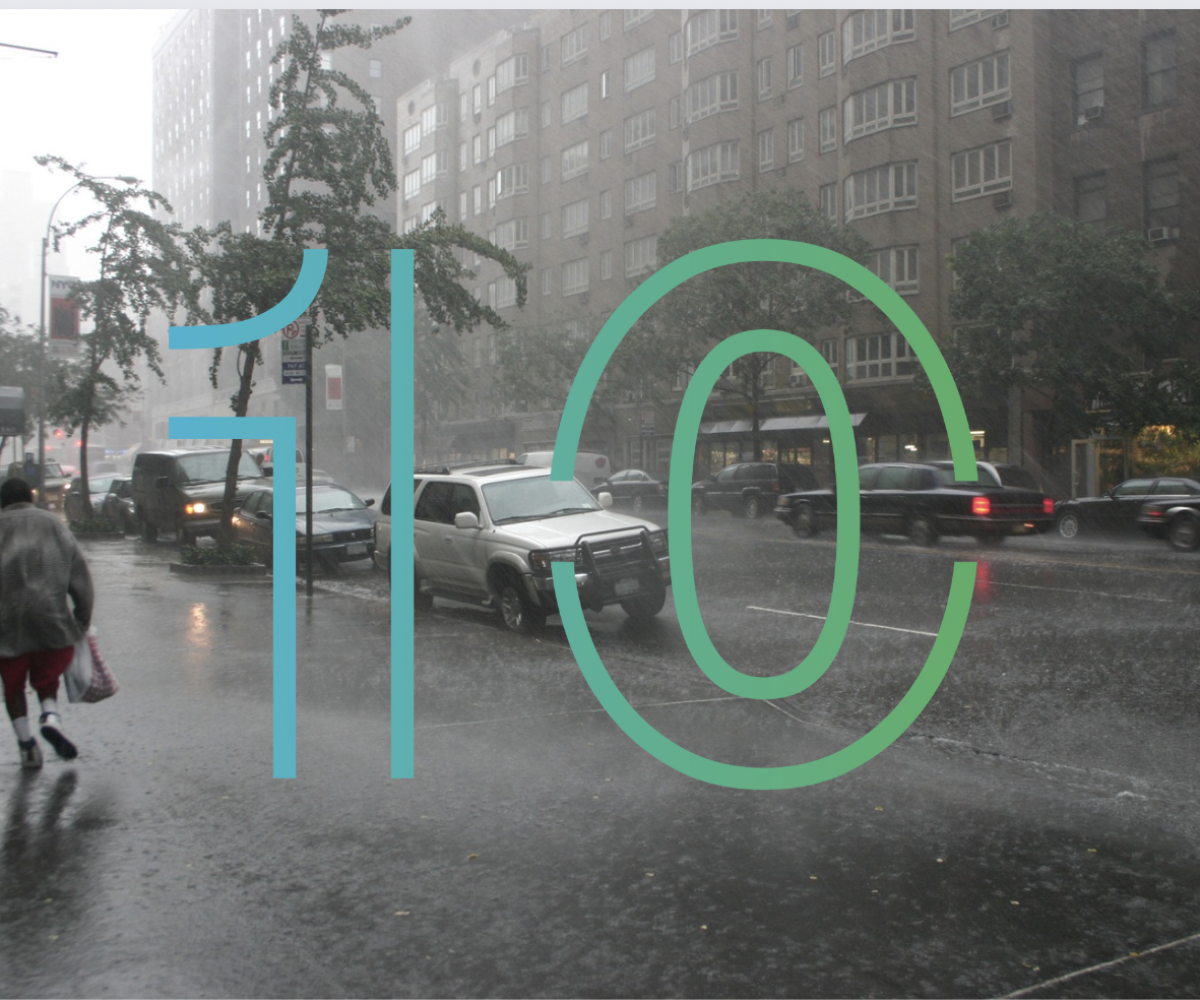
Learn the 10 Things Everyone Should Know About Heavy Rainfall In New York City:
CLICK HERE>>

From January to June 2024, residents, nonprofits, government agencies, community organizations, schools, and the private sector have been working to identify answers to these questions to Rainproof NYC.
Learn about Rainproof NYC working groups’ collective recommendations to address this growing challenge for our city:
To read the Working Group recommendations, CLICK HERE>>
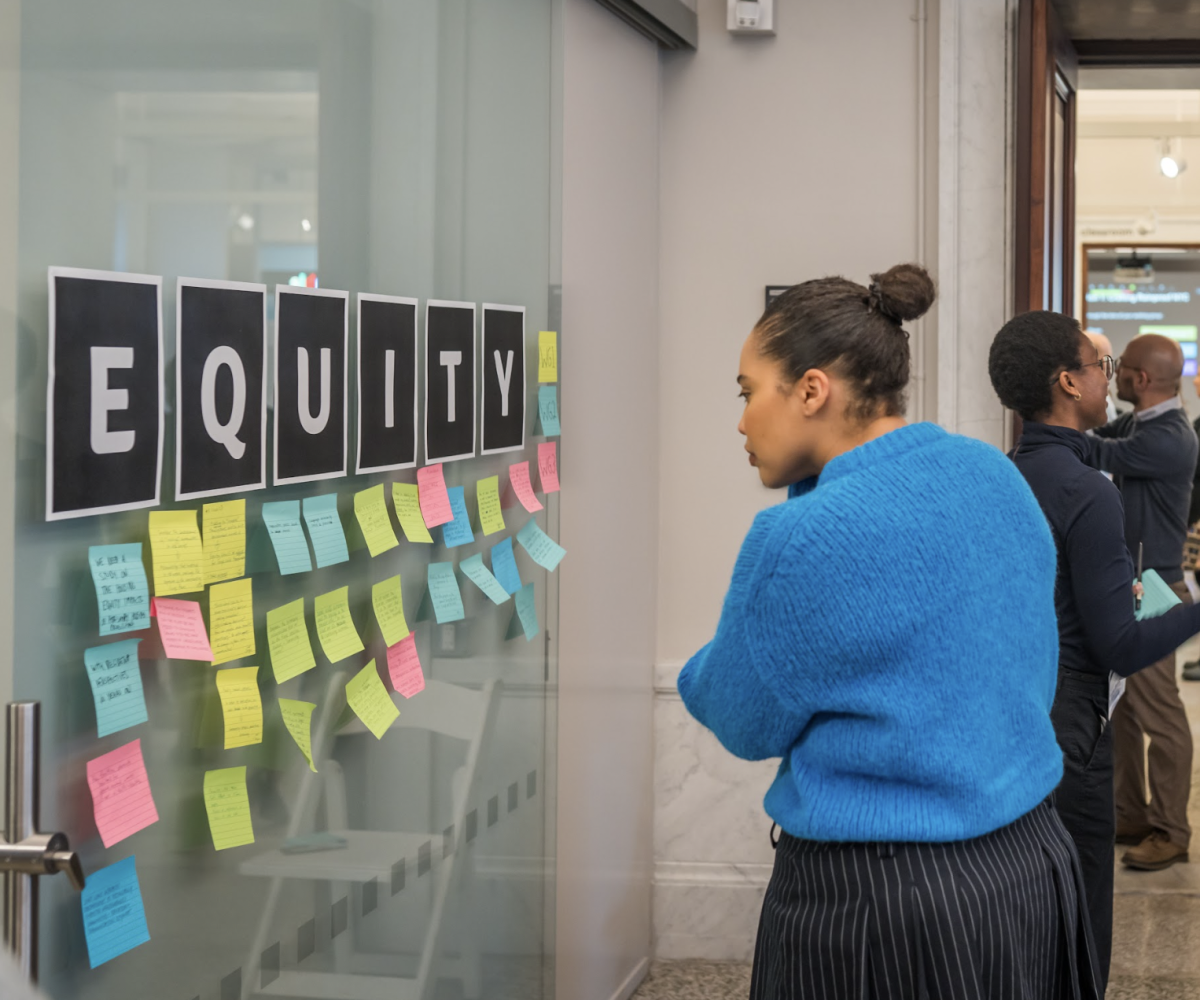
Working groups participants and members of the public crafted Rainproof NYC Principles that address:
- Equity
- Collaboration
- Infrastructure & Land Use
- Accountability
- Other
Rainproof NYC is a movement to help the city, and all of us who live here, adapt to heavier
rainstorms, reduce flooding, and protect our neighborhoods. Rainproofing is something we all take part in.
Want to know how to help? Start by knowing your flood risk, discovering rain-friendly ideas for
your home or building, and learning about what the city is doing to prepare.
Click here for a quick foundational guide to get you started>>
GET INVOLVED IN RAINPROOF NYC
We each have a role to play in Rainproof.
Rainproof NYC is where all stakeholders learn from each other and act collectively to tackle increasingly heavy rainfall and flash floods.The growing Rainproof NYC network brings together community groups, city officials, technical experts, policy advocates, private sector partners, educators, and more to understand and address flooding in NYC.
Ways you can get involved include:
- Stay updated on new pilot projects, events, and funding opportunities.
- Collaborate with the Rainproof NYC Network.
- Join a Rainproof Event.
- Learn from other cities in our Rainproof Series.
- Participate in or Pilot Rainproof NYC Projects.
- Share Rainproof Resources & Expertise.